
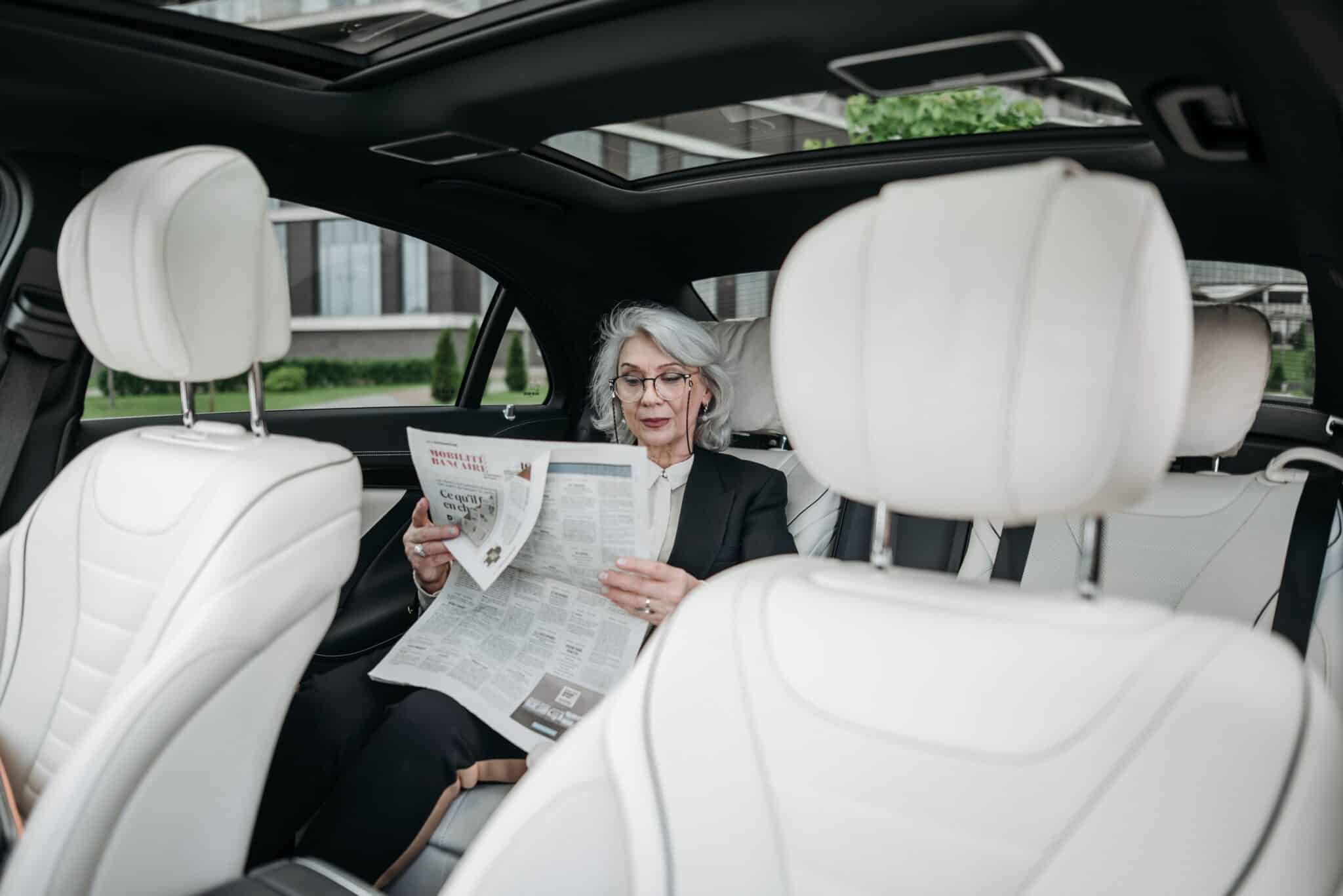
For a city as car-centric as San Francisco, it’s wild (and thrilling) to picture a day when you never touch the steering wheel. You hop in, pick a destination, and the car handles the rest. That future boosts safety, expands access, and reshapes our streets. This kind of bleeding-edge tech is exactly what inspires us to build escape rooms that feel like tomorrow. Consider this your quick tour of an autonomous future.
Improved safety, commuting, and daily life
Fewer accidents: Car crashes today happen due to human error through distraction, fatigue, or impairment. When cars drive themselves, human error is out of the question, allowing our world to become safer.
Reclaimed time: Autonomous cars translates to large reductions in traffic and shorter commutes. These vehicles can sense one another making traffic jams a thing of the past. Furthermore, these cars could drop of their occupants and park themselves or transport someone else.
Renewed cities: Fewer parked cars means less parking lots and garages in your city. This freed infrastructure makes room for housing, green space, or shopping areas that didn’t previously exist.
Transformed accessibility: Those who are elderly, disabled, or too young to drive have would have the ability to travel safely and independently
Economic shifts in jobs, costs, and industries
While there would no longer be a need for truck, taxi, and delivery drivers, new job sectors would start booming. Fleet management, vehicle maintenance, software development, and cybersecurity roles would expand as a result.
Freight: Shipping costs would drop for consumers
Car ownership: Families would own fewer cars, or none at all
Insurance: Auto insurance costs would shrink or be be transferred to coverages by autonomous car manufactures
Energy: High demand for electric autonomous cars would reduce the need for fossil fuels and expand the need for greener alternatives
Overall, transportation would become cheaper and more efficient, generating benefits across the board.
self-driving cars could be safer than human drivers
If all cars were self-driving, the driving environment would transform as driverless cars, autonomous vehicles and fully autonomous vehicles replaced much human driving, and self-driving cars could be safer than human drivers by using sensors and self-driving technologies to avoid collisions and reduce crashes; vehicles could communicate to prevent cars hit pedestrian incidents, traffic lights could be coordinated with fleets of automated vehicles to ease traffic congestion and traffic jams, and a driverless taxi service or fleet of autonomous vehicles could make our roads safer by cutting human error that causes most crashes.
Car manufacturers and car companies like Waymo are already testing Waymo’s vehicles and autonomous driving software, and as adoption of autonomous vehicles grows the number of vehicles on the road and parking space needs would change — vehicle ownership and car parks might shrink as cars would be shared, cars could operate as electric vehicles to lower emissions, and vehicles drive more efficiently so vehicles would consume less energy.
Autonomous vehicle technology, driverless technology and self-driving projects aim to create fully driverless, fully automated systems that avoid collisions, improve traffic safety, and alter driving style and car use; while current self-driving systems still log millions of miles in testing to prove they are safer than a human driver, autonomous vehicles could reduce congestion, prevent crashes, and make roads safer even if conventional vehicles remain.
So, car companies and regulators must manage the impact of self-driving cars on car ownership, pedestrian safety, and how vehicles would navigate intersections without traffic lights or with intelligent signals to ensure that cars may coexist with humans behind the wheel during the transition.
Automated vehicles could survive weather and traffic conditions
Automated vehicles could survive weather and traffic conditions more reliably than human drivers, and the National Highway Traffic Safety Administration has noted that autonomous vehicles would benefit from consistent sensor and software performance even in poor conditions.
As the car industry continues to invest in technology like lidar and advanced cameras, self driving cars and Waymo vehicles demonstrate how vehicles use redundancy and machine learning to respond to hazards: software follows traffic rules, and the same software follows traffic rules across fleets can make behavior more predictable. In congested cities, cars could reduce accidents and congestion because vehicles could increase efficiency by platooning and coordinated routing, so fewer vehicles are less likely to block intersections; this would save time and fuel for commuters who otherwise get stuck in traffic.
If more people choose to use autonomous veizhicles, the car industry and regulators will need to ensure that vehicles are less prone to hacking and that autonomous vehicles would integrate with public transit—yet the potential is clear: self driving cars could transform how we move, waymo vehicles and other providers are already showing how a future where we rely on these systems might function in everyday life.
The impact of self-driving cars on our environment
Thinking about what would life be like if all cars were self driving highlights significant environmental implications: autonomous vehicles like Waymo and Zoox patrolling the city could improve traffic flow and reduce stop‑start emissions through smoother driving and coordinated routing, but the overall number of vehicles on the road could either decrease if shared fleets and better utilization replace private ownership or increase if empty repositioning trips and greater convenience spur more travel.
To realize meaningful emissions reductions, self‑driving technologies must be paired with electric vehicles, renewable energy for charging, and policies that discourage longer empty trips and excessive sprawl. Planning that reduces vehicle miles traveled will be critical to ensure autonomous driving leads to lower greenhouse gas emissions, reduced air pollution, and healthier urban environments rather than unintended increases in energy use and land consumption.
How will autonomous vehicles affect parking spaces in the city?
Would self-driving vehicles increase or traffic congestion? If all cars were self-driving, the experience around parking would shift dramatically: instead of searching for a nearby spot, passengers could be dropped off at the door while their vehicles relocate to remote, cheaper storage or circulate to serve other riders.
This change would reduce demand for prime curbside parking near popular venues and events, altering how people talk about parking availability in a neighborhood and potentially relieving congestion in busy districts. However, new pressures would emerge—high-turnover pick-up and drop-off zones (curb lanes) could become congested, and fleets of autonomous vehicles waiting between trips might occupy space unless city policies and dedicated hubs manage them.
Over time, the need for large city-center parking garages could reduce, freeing land for housing, parks, or commercial uses, while residential streets might require fewer on-street spaces if shared autonomous vehicles become the norm. The adoption of autonomous vehicles may require careful planning to prevent new forms of curbside congestion and inequitable access to mobility.
Is it worth owning a driverless car?
Whether self-driving cars would change daily life depends on how cars on the road and driving vehicles evolve: a fleet of autonomous vehicles and fully autonomous cars could make our roads safer than human drivers by reducing crashes and collisions caused by human error, and automated vehicle sensors and self-driving software that have already logged million miles of driverless testing (and Waymo’s vehicles are often cited) suggest driving behavior will be more consistent, so vehicles could travel at higher speeds safely while avoiding collisions and reducing congestion and traffic jams.
If car companies and manufacturers adopt autonomous and self-driving technologies, car travel and commuting could shift from human driving to software-driven vehicles, which would change car ownership, parking demand, and the number of vehicles needed as driverless taxi services and shared autonomous cars reduce private car use.
Autonomous vehicles may improve traffic safety and make roads safer for pedestrians and emergency vehicles, allow more efficient traffic signals and traffic lights coordination, lower emissions with electric vehicles, and change driving tasks and driving style — but the impact of self-driving cars depends on adoption, regulation, whether current self-driving and fully automated systems can avoid crashes, and whether driverless vehicles could truly make conventional vehicles obsolete or simply coexist with mixed human driver traffic.
Living with autonomous cars
This new mode of transportation would make our lives look much different than they do today. Commutes would be safer, cities would be more efficient, and more people could travel without barriers. In San Francisco, that could mean a no-stress, hands-free ride straight to a team event at Reason. Think of a Waymo trip as a fully automated trip to a tech-forward adventure.