
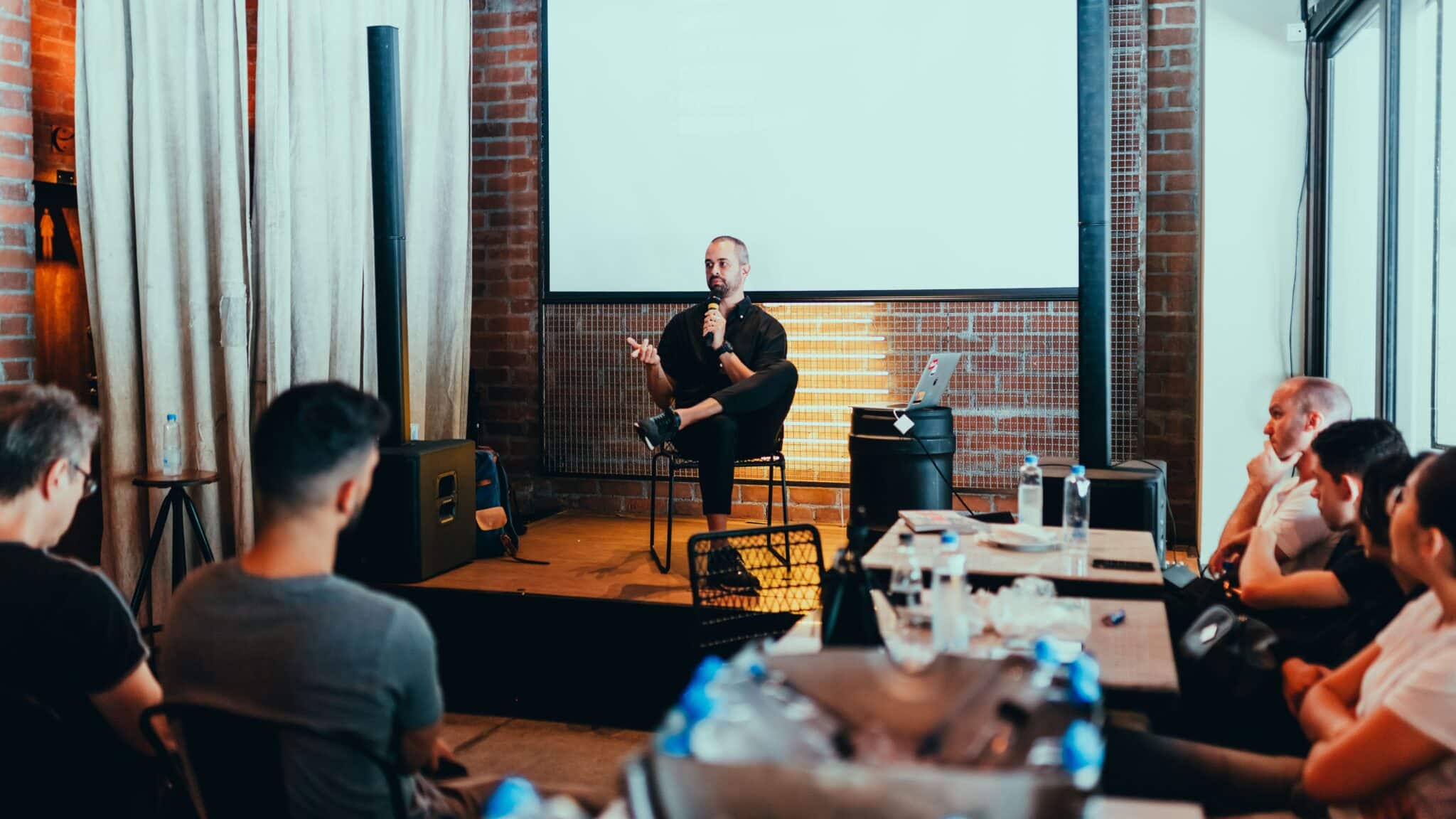
Public speaking gets difficult when your thoughts are moving faster than your words. You may know exactly what you want to say, yet still struggle to state the main point, read your audience, or stay composed when the pressure rises. An escape room gives you a playful way to practice those same communication skills while working with other people toward a clear goal.
Why An Escape Room Feels Like Communication Practice
An escape room is a team-based game where players search for clues, solve puzzles, share information, and make decisions before time runs out. While the goal is to escape the room, much of the challenge comes from figuring out how to communicate effectively with the people around you.
That makes the escape room experience surprisingly useful for public speaking practice. You have to organize your thoughts quickly, explain what matters, listen actively, and adjust when new information changes the plan. Those habits also matter when you are presenting an idea, leading a meeting, or answering a question in front of a group.
Clear Communication Starts With The Main Point
One common speaking problem is trying to explain too much before getting to the useful part. Under time pressure, escape room games make that communication style difficult to maintain. If you spend a minute describing every detail of a puzzle before explaining what you need, your team members may already be focused somewhere else.
A simple structure can help improve communication:
- Point: What matters right now?
- Why: Why should the group pay attention?
- Next step: What should someone do with that information?
You might say, “This symbol keeps appearing in two places, so I think the clues are connected. Can someone check the other wall for the same pattern?”
The same structure works outside the game. Strong communication skills often come down to giving people the information they need in an order they can easily follow.
Team Communication Teaches You To Read The Audience
Good public speaking also requires audience awareness. A useful explanation for one person may be unnecessary for another, and effective communication depends on recognizing that difference.
During an escape room challenge, everyone is working together, but team members are often doing different things. Someone examining a code needs different information from someone sorting physical objects or looking for a missing clue. As a result, players naturally practice aiming their words at the right person.
You can strengthen that habit by:
- Addressing the person who needs the information
- Using shorter explanations when the group is busy
- Checking whether the other person understands
- Listening before repeating or adding more detail
These small habits can make you a more flexible communicator because they shift your attention from simply saying something to making sure the message actually lands.
Time Pressure Helps You Practice Better Pacing
When people feel rushed, they often speak faster. Words begin running together, explanations get longer, and listening becomes harder. An escape room puts that tendency right in front of you because the clock creates real, visible time pressure.
The useful skill is learning how to slow yourself down without slowing the team down.
When things get hectic, try pausing briefly, taking a breath, saying one complete thought, and giving others space to respond. That short reset can improve team communication during the game, and it can also help during a presentation when nerves make you want to race through your material.
Good pacing gives people enough time to process what you are saying. It also gives you a moment to decide what actually needs to come next.
Problem-Solving Builds Confidence When You Need To Adjust
Public speakers sometimes lose their place, choose an example that does not work, or realize halfway through an explanation that there is a clearer way to say something. Recovering smoothly is part of strong communication skills.
Escape rooms provide plenty of practice because solving a puzzle often involves testing an idea and discovering that it was wrong. Teams must adapt without spending too much time defending the first plan.
Useful phrases are simple:
- “Let me explain that another way.”
- “Here’s the shorter version.”
- “I think we need a different approach.”
That flexibility matters because good communication and collaboration rarely depend on saying everything perfectly the first time. What matters is noticing when something is unclear and correcting course calmly.
Turn Escape Room Team Building Into Speaking Practice
You do not have to treat the entire game like a communication exercise. Choose one habit to practice during the hour so it stays natural.
You could volunteer to summarize what the team knows every so often, practice asking for help without giving unnecessary background, or explain a possible plan before inviting other ideas. After the game, you can also talk briefly about which communication strategies worked and which created confusion.
That kind of reflection helps the lesson stick. The escape room provides the shared experience, while the debrief helps you recognize communication patterns you can use later in meetings, presentations, and everyday conversations.
How We Use The Escape Room Experience At Reason
This is one reason we see an escape room as useful communication practice at Reason. A shared problem puts people in situations where they have to state ideas clearly, practice active listening, coordinate with others, and adjust their communication style when the first explanation does not work.
The time limit also makes those habits easier to notice. When communication becomes confusing, the team feels it quickly. When someone simplifies an idea, listens carefully, or helps the group regain focus, everyone can move forward. That immediate feedback can help improve communication skills in a way that feels practical rather than rehearsed.
Finally…
Becoming a stronger public speaker takes more than memorizing a presentation. It takes practice organizing your thoughts, communicating clearly, reading other people, managing your pace, and recovering when something changes.
An escape room gives you a fun way to hone these skills through teamwork and problem-solving. Choose one communication habit before the game, pay attention to how it affects the group, and carry that lesson with you long after the game ends.