
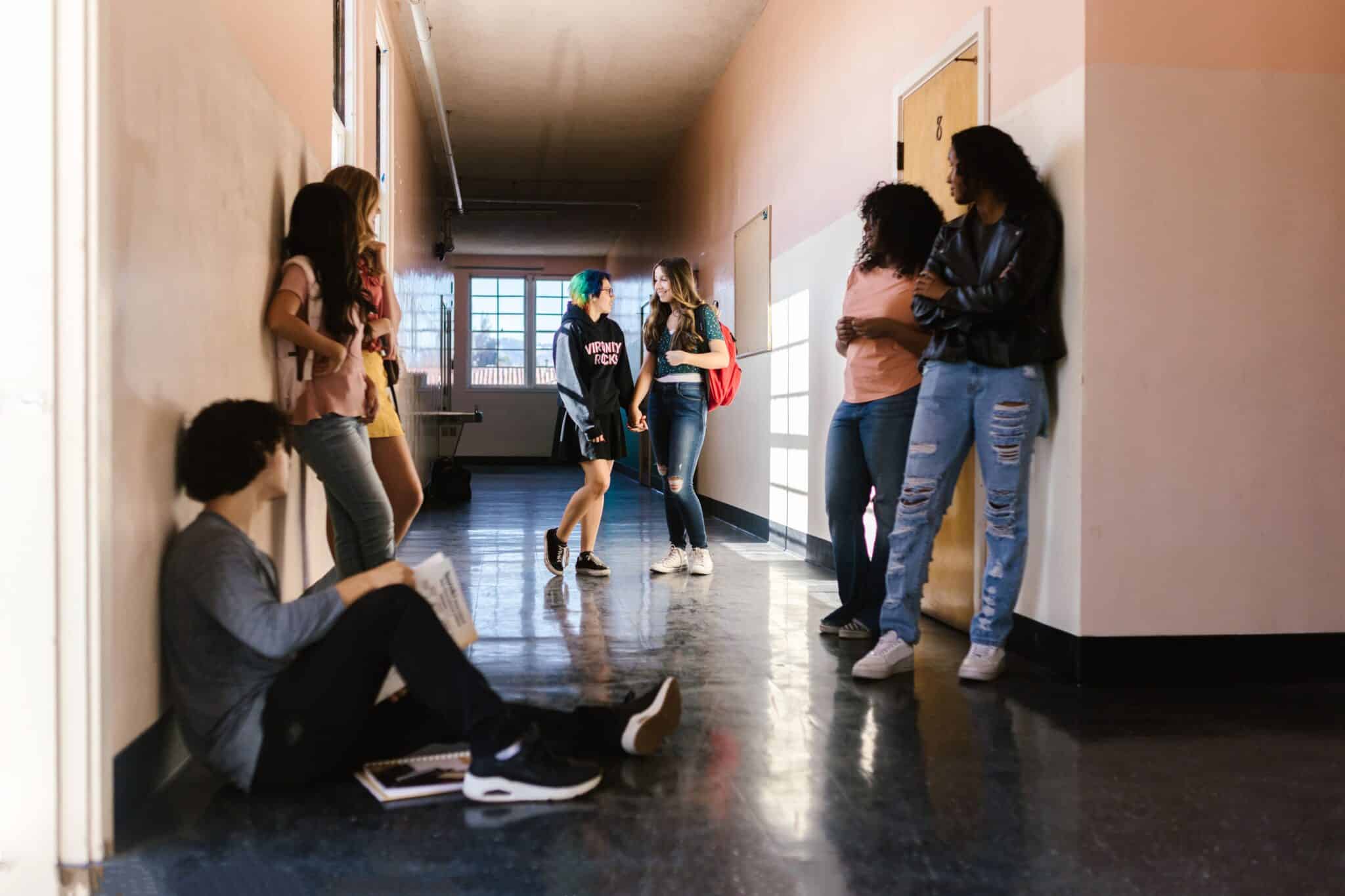
Starting college can feel exciting, but it can also feel strangely awkward. You may be surrounded by people all day and still not know how to turn a classmate, roommate, or lab partner into an actual friend. That is where an escape room can help, because it gives a group something shared to do before anyone has to figure out the perfect thing to say.
Why Making Friends In College Can Feel So Awkward
College puts people close together, but closeness does not automatically create connection. You might sit next to someone in class for weeks, recognize them in the dining hall, and still only exchange a quick hello. A lot of early college friendships live in that almost-friendship stage, where both people are friendly, but neither person knows how to move the interaction forward.
That is why activity-based interaction works so well. Instead of relying only on conversation, the group has a task, a rhythm, and a reason to keep engaging. An escape room game gives college students a common challenge right away, which makes it easier to share ideas, laugh at small mistakes, and notice how everyone contributes.
An Escape Room Gives The Group A Natural Start
An escape room is a live group activity where players enter a themed room, find clues, solve puzzles, and work together to solve the challenge before the allotted time runs out. Most games last around 60 minutes, which is long enough to create a memory, but short enough that it does not feel like a huge social commitment.
When a group first walks into the room, no one has to wonder what the hangout is supposed to be. The first puzzle gives everyone something to look at, touch, and discuss. Someone might spot a hidden prop, another person might connect two clues, and someone else might keep track of what has already been tried. The escape room experience lowers the pressure because the conversation has a purpose.
A Shared Challenge Makes Conversation Easier
One of the hardest parts of making new friends is getting past small talk without forcing it. In an escape room, conversation happens naturally because the room keeps giving the group new things to react to. A puzzle might need careful reading, a riddle might need a creative guess, or a lock might require the group to compare several clues and puzzles at once.
This kind of low-stakes pressure helps people relax. When time runs down and the team works together, the interaction becomes less about sounding interesting and more about staying engaged. You learn quickly who likes to lead, who notices details, who brings calm energy, and who keeps the group laughing after a failed attempt.
A few simple habits make the experience even better:
- Share every clue with the group instead of holding it alone
- Give quieter people space to test an idea
- Rotate roles when someone gets stuck
- Treat trial and error as part of the game
- Celebrate small unlocks, not only the last clue
Those moments may seem small, but they create the kind of shared understanding that friendships need.
Teamwork Helps Students See Each Other Differently
In college, people often meet through labels first. Someone is in your dorm, your major, your club, or your group project. An escape room changes that because it lets people show personality through action. You see how a person thinks, listens, reacts under pressure, and supports others when the team is stuck.
That is where teamwork becomes more than a buzzword. When students working together have to solve puzzles, they practice coordination without turning it into a formal exercise. They ask better questions, build on each other’s ideas, and learn when to step forward or step back. The room gives the group a safe way to practice trust before the friendship has fully formed.
This can be especially helpful for new college students who are still trying to find their people. A group of friends often starts with one good shared memory, and an escape room gives everyone a story they can bring up later.
The Memory Keeps The Friendship Moving
The best college friendships usually grow through repeat moments. You study once, grab food another time, go to a birthday party later, and slowly the connection feels more natural. An escape room can become one of those early memories that makes the next invitation easier.
After the game, the group has plenty to talk about. Someone will remember the first puzzle that took too long. Someone else will bring up the clue everyone missed. The team might joke about the final seconds, the last clue, or the one person who somehow noticed a tiny detail no one else saw. That shared memory gives the friendship something to return to, which is often what helps people become friends better over time.
How We See This At Reason
This is one reason our escape rooms work well for college groups that are still getting comfortable with each other. We see that dynamic show up when students enter as classmates or casual acquaintances and start to become a team through the simple act of searching, testing, listening, and solving together.
For college students, the value is not only whether they escape the room before time runs out. The bigger point is that the escape room toolkit gives the group a practical way to build connection: a shared challenge, a common goal, and enough structure to make interaction feel natural instead of forced.
Finally…
Making friends in college takes time, but the right activity can make the first steps feel much easier. An escape room gives a group something fun to do, a challenge to solve, and a memory to share after the game ends.
It works because people get to communicate, coordinate, and laugh together without needing every conversation to be perfect. For students who want a super fun hangout that also strengthens teamwork skills, an escape room game can be a simple way to turn almost-friendships into real connections.